♦Welcome to another edition of the Open Book Blog Hop!♦
Topic #451
Have you ever regretted killing off a character?
Or not killing one off?
Welcome back to another Open Book Blog Hop! The authors included in this ongoing series wish to thank you for your reads. Even more so, we appreciate that you share our writings with friends. If you’re new to the series, welcome aboard. The authors engage and impress weekly. Prepare to become a regular reader.
Sometimes, I think we authors may be on the psychopathy spectrum. I say that tongue in cheek, observing the reality of this disorder in a small percent that is real among our cohort. Let’s keep this light, though. Things are far too heavy in reality, as they are. A bit of escape is a good thing. A small rest, if you will.

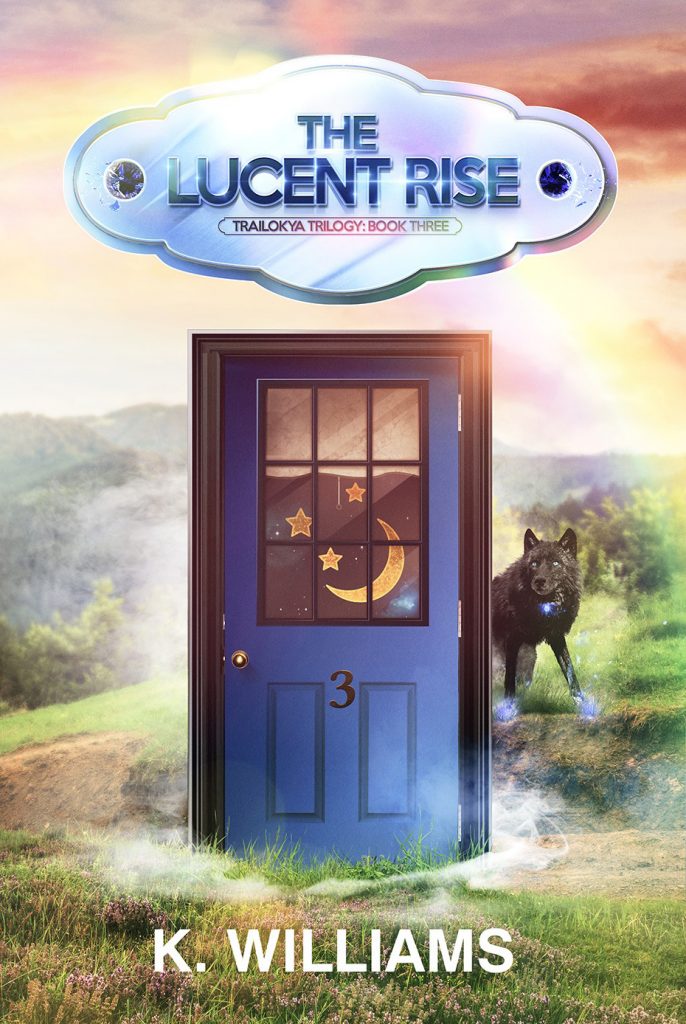
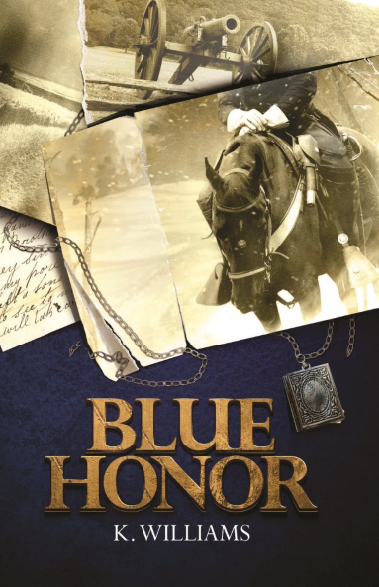
Killing your characters is part of the field, in my genre anyway. I write about history and dark fantasy. Of course there is death! Often, a character’s development hinges upon death and massive change. Thus, it makes it necessary to kill and maim. That doesn’t mean that I relish the writing of the suffering. I think back to Kathleen Turner portraying one of us on the big screen and weeping during her beautifully romantic ending in the first few minutes of the film. We laugh and we cry right along with you.
If there is no emotional stake in it for us, then I’d wager there isn’t for the reader. Writing my work, especially the trilogy, was often retraumatizing, as a great deal of what I have experienced went into the writing. What we do isn’t as easy as folks like to portray that (film or social media). There is certainly joy and there is also sorrow. We are connected to the work deeply.
For many authors, killing off a character can be traumatizing. Not every character that we realize must go is one we wish to let go of. Still, the job has to be done. We manage to work through it. Other times, it isn’t such a problem. If the character has pulled all the weight they can and we weren’t much connected to begin with, then they go without much remorse (I recommend a writer revisit these guys and gals and see if you can fold those actions into someone else, and reduce the footprint of characters. This is a necessary form of brevity we have to consider).
On that vein, I’d say that I regret more not killing one off. I should have taken the advice I just gave! It’s difficult to see the necessity of reducing the number of characters in play in one story until you’ve drafted a few iterations. Then, there is so much to double check, it often gets lost in the middle. A great editor will often mention this probability, if you’re over populated. So, if we still forget to work that check, don’t beat yourself to death on it. Write it on your list of pre-edit considerations. Try to get to it.

When taking out a character that is more major takes a lot of consideration. It must make sense and be necessary. Do not just kill them off. A reader will detect this and there’s no fixing it once published. This is why I prefer not to do so, especially if there is a built attachment. It doesn’t add the dramatic effect I want to see in my writing. Abusing the emotions of your readers for the sake of an unnecessary impact is kind of a dick move.
You’ll notice that in my work, the unreconcilable characters are the ones who get it. This means, there is no redemption for them in the space of the novel. They will continue to cause problems, and the other characters need to move past that experience, as do the readers. So, it makes sense, as mentioned above. There are no regrets, even if I reconsider the timing or arc. Villains, by the way, should get their ends. People need that catharsis. We escape into media to experience the things we desire. Reality is always out there to experience realness, and it’s often not that fun!
Before you hop over to the other authors responses through their links below, subscribe to my newsletter to have the hop delivered each Friday via email. See you back here next time! Click here to read the previous article from 2016.